From The SpeakEasy archives · Originally published July 3, 2026
I posted a longer video a little while ago about why I don’t hate men, even though I talk about men, marriage, patriarchy, emotional labor, and relational patterns a lot.
And listen... Some people got it. And some people absolutely did not.
A lot of women understood where I was coming from. They heard the nuance. They understood that I wasn’t asking anybody to ignore harm or give men a cute little permission slip to keep being emotionally underdeveloped in peace. But some women felt like I was making excuses for men. And honestly, I understand why that reaction came up.
Because for a lot of women, “nuance” has been used against us. We’ve been asked to understand his childhood, his stress, his trauma, his intentions, his potential, his fear, his lack of tools, his love language, his attachment style, his relationship with his mama, and the fact that Mercury was in retrograde when y’all got together 🙄
Meanwhile, our pain kept getting treated like something we were supposed to soften, spiritualize, explain better, or carry more gracefully.
So when a woman hears me say, “I don’t hate men. I hate the system,” I understand why her nervous system might side-eye me a little bit. Because sometimes “look at the system” can sound like, “Don’t hold him accountable.”
That isn’t what I mean… Not even a little bit.
Explanation isn’t excuse.
I think this is where the conversation gets messy.
There’s a difference between explaining where a pattern came from and excusing the harm it caused.
An excuse says, “He was conditioned this way, so what did you expect?” An explanation says, “He was conditioned this way, and now he’s responsible for what he does with that conditioning.”
That distinction matters. Because if we don’t talk about the system, we end up treating every painful relationship like a one-off personal failure. You picked wrong. You didn’t communicate right. He was just uniquely terrible. Your marriage fell apart in a weird little bubble. But when thousands of women are describing the same loneliness in different houses, I’m not gonna pretend like I’m satisfied with calling that a coincidence.
There’s a pattern there.
Naming the pattern doesn’t remove personal responsibility. It actually makes accountability clearer. Because now the question isn’t just, “Why did he do that?” The question turns into, “What did he learn, what did it cost you, and is he willing to unlearn it?”
That last part matters.
A grown man is still responsible for his choices. If he benefits from a system that gives him more room to avoid, dismiss, dominate, withdraw, be centered, or be forgiven without repair, he’s still responsible for noticing that and doing something different.
Conditioning might explain the starting point. It damn sure doesn’t excuse staying there.
Anger deserves a chair, not the whole house.
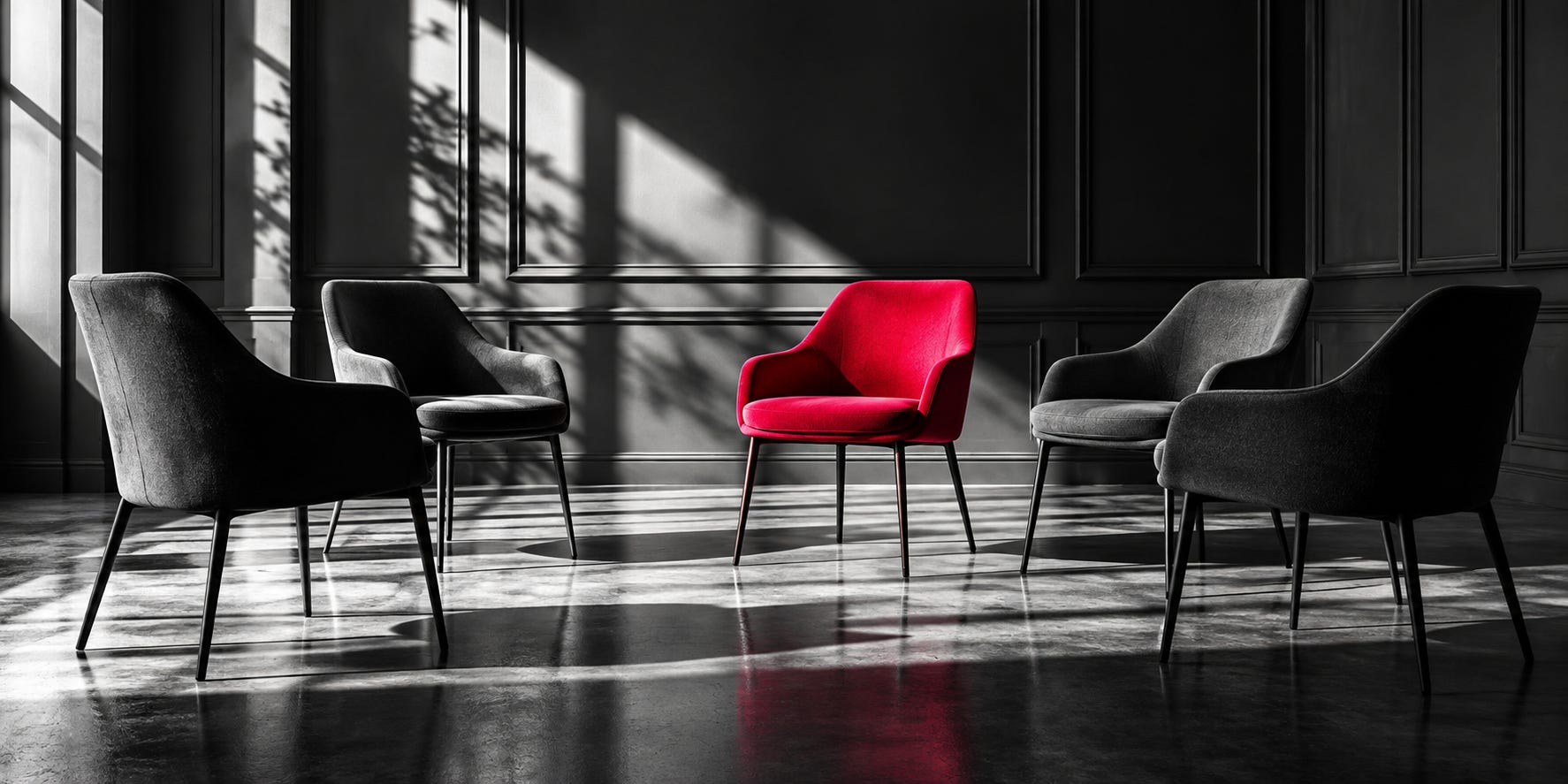
I am not here to talk women out of being angry.
Absolutely not.
Some women have spent years being patient with patterns that were draining the life out of them. They tried to communicate. They tried to pray. They tried to soften. They tried to explain. They tried to be understanding. They tried to be “fair.” And after all that, the relationship still asked them to keep shrinking. So yes, anger makes sense.
Anger can be clarifying. It can wake you up. It can help you stop calling dysfunction normal. It can put a little bass in your voice when years of conditioning taught you to whisper your needs like an obedient little housekeeper.
I respect anger. But I don’t want to build the whole room around it. Because anger is useful as a signal. It tells you something has been violated, ignored, minimized, or taken for granted. But anger alone doesn’t always tell you what to do next. It can point to the wound, but it can’t always help you understand the whole pattern, your part in surviving it, or what healing will require of you.
And I don’t mean your “part” as in blame.
I mean the part where you start asking: Where did I learn to over-function? Where did I learn to call endurance love? Where did I learn to make myself easier to keep? Where did I learn that being chosen was more important than being well?
That’s the work I care about.
Not because men deserve our emotional labor, but because we deserve our freedom.
Contempt can feel like power.
I think part of the reason “men ain’t shit” can feel so good is because contempt can feel like power after you’ve felt powerless.
There’s a kind of relief in finally saying the ugly thing out loud, right? There’s a little release in not having to be fair, soft, balanced, graceful, or considerate for five whole minutes.
I get that.
Sometimes you need the petty sentence, the group chat, or the snack and a safe place to say what you can’t say in the comment section without some random dude arriving with a TED Talk nobody asked for.
Fine.
But I don’t want contempt to turn into the whole worldview. Because if contempt becomes the worldview, men are still the center. They’re just the center in a different way 😏
The point of my work isn’t to gather women in a room so we can keep staring at men and confirming how terrible they are. The point is to help women hear themselves again. To name the patterns. To understand the systems. To stop calling emotional lack normal. To stop confusing being needed with being loved. To stop shrinking our needs so a relationship can keep looking intact.
That requires more than contempt.
It requires language. It requires courage. And it requires the kind of truth that doesn’t just make us feel right for a minute, but actually helps us get free.
What I’m NOT doing is protecting men from accountability.
This is the part I want to say plainly.
When I say I don’t hate men, I’m not protecting men from accountability. I’m protecting the conversation from becoming too small.
Because if the only thing we say is “men are trash,” then men don’t have to look at the system that shaped them. Women don’t have to look at the conditioning that taught us to cooperate with our own disappearance. Nobody has to talk about church culture, family patterns, gender roles, emotional labor, power, money, sex, silence, resentment, desire, or why so many women feel lonely inside relationships that look normal from the outside.
That’s too convenient.
A lot of women didn’t end up exhausted because one man was uniquely broken. They ended up exhausted because a whole system taught men that being loved was enough, while teaching women that being overextended was noble.
That doesn’t excuse him. It makes the pattern harder to ignore. And once you can see the pattern, you can stop making the whole thing a personal failure.
You can say, “Oh, this wasn’t just me being too needy.”
“This wasn’t just me failing to communicate.”
“This wasn’t just me losing attraction for no reason.”
You can say, “This was what happens when a relationship keeps requiring one person to be the emotional adult.” And that kind of clarity matters.
The goal isn’t to be nicer about harm.
I think some people hear nuance and assume it means softness. But I’m not asking women to be nicer about harm. I’m asking us to be more precise.
Precision isn’t the opposite of accountability. Precision helps us understand what we’re actually naming. It helps us say, “This hurt me,” without having to turn the person into a Marvel movie villain. It helps us say, “This pattern is harmful,” without pretending every man on earth woke up and held a strategy meeting about ruining women’s lives. It lets us hold individual people accountable while still naming the system that helped shape the behavior.
That’s not making excuses. That’s refusing to let the system hide.
And I think this matters for more than our relationships with men. It matters for our sons too. If all we can say is “men are trash,” then what are we really teaching the boys we love? Shame? Distance? Confusion? A vague warning not to be “like those men” without actually giving them language for what needs to change?
I want better for them than that.
I want our sons to know that strength doesn’t require emotional silence. I want them to know accountability isn’t an attack. I want them to know care isn’t weakness, softness isn’t shameful, and partnership isn’t helping a woman carry what should have belonged to both people in the first place.
But we can’t teach what we haven’t named.
That’s why I care about the nuance. Not because men need protection from women’s anger, but because women deserve more than resentment as a final destination. Our anger can tell us something is wrong. It can point us toward what hurt. It can help us stop pretending dysfunction is normal. But if we want to interrupt the pattern instead of just inherit it, we have to understand it well enough to stop passing it down.
That includes what we tolerate. What we model. What we call love. What we call manhood. What we excuse in boys because “that’s just how boys are.” What we praise in girls because they were “mature” enough to absorb what nobody else wanted to carry.
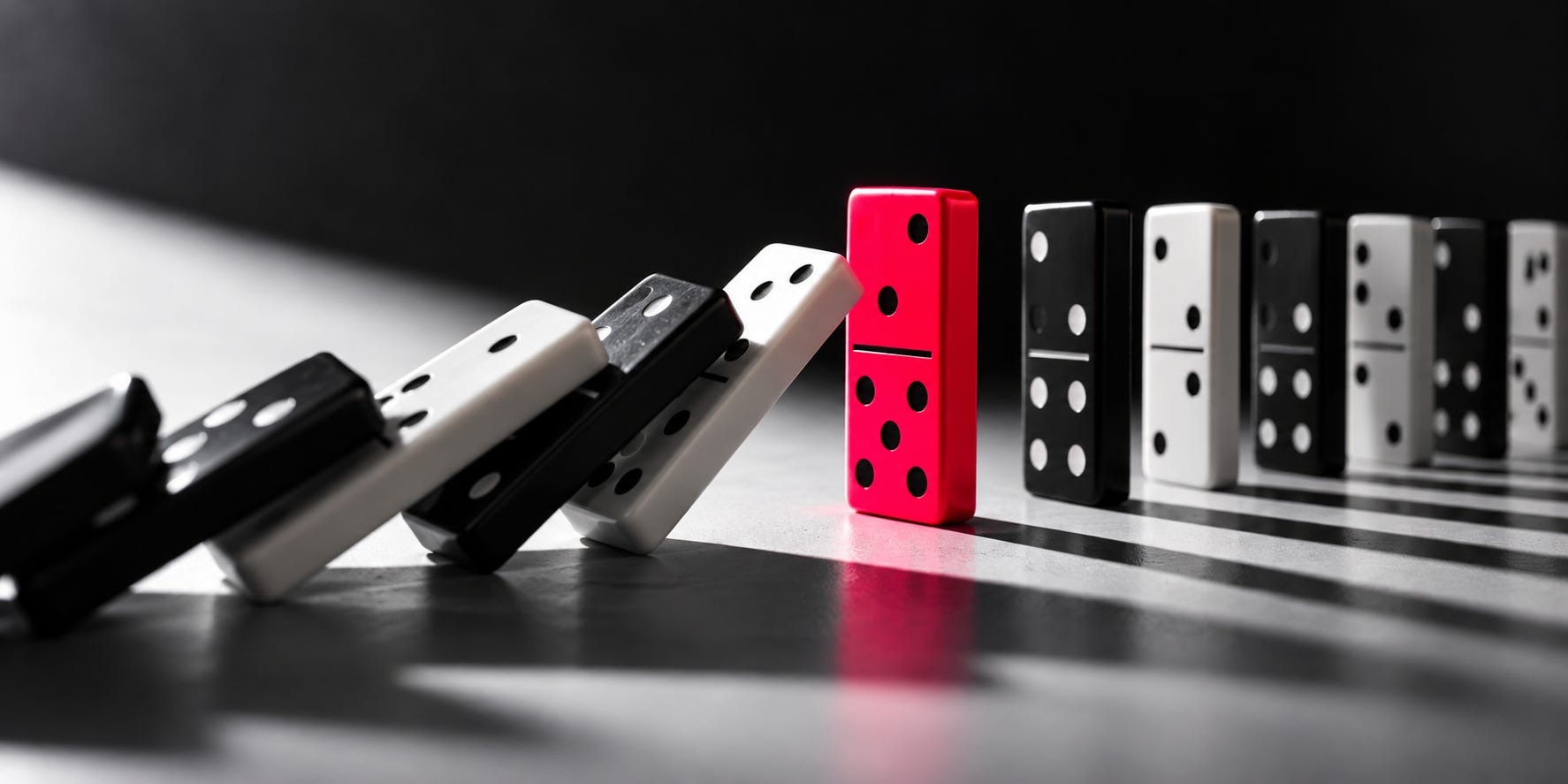
I don’t want to raise boys who turn into men women have to recover from. And I don’t want our daughters, nieces, friends, or younger selves believing their only options are bitterness, endurance, or emotional management.
So no, nuance isn’t me trying to soften the truth. It’s me trying to make the truth useful enough to change something.
Before you go...
I want you to think about something: When you look back on what you’ve experienced, has your anger helped you understand what happened, or has it mostly helped you name who you’re angry with?
And listen, sometimes naming who you’re angry with is a necessary first step. I’m not asking anybody to skip that part. There are people who absolutely deserve to be held accountable for what they’ve done, and understanding the circumstances that shaped them doesn’t obligate you to forgive them, excuse them, or give them another opportunity to hurt you.
But I also think there’s something worth exploring beyond the individual people who disappointed us. Because if we can recognize the beliefs and expectations that made those experiences so common in the first place, maybe we can do something about what gets passed down next.
I want my son to grow up with a different understanding of what it means to be a man. I want my daughter to know she doesn’t have to disappear inside a relationship to be considered a good woman. And I want the women who spend time in this community to have more choices available to them than simply putting up with something or being angry about it forever.
That’s a much bigger conversation than whether men are good or bad. And frankly, it’s a conversation I’m a whole lot more interested in having.
🖤 Kesha